Dossiers de candidature complets reçus – 6 projets sur le cours supérieur de la rivière Androscoggin, NH
28 avril 2026Décision préliminaire – Certification du projet Chicopee Falls, en attente de LIHI #208, MA
27 mai 2026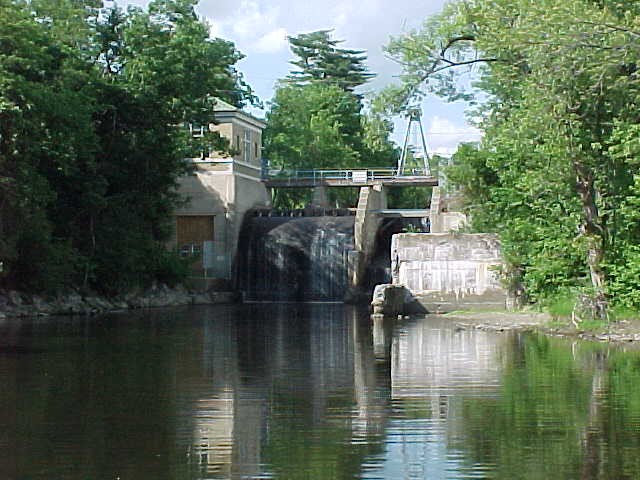
La certification, une voie pour améliorer le passage des poissons et l'engagement des parties prenantes
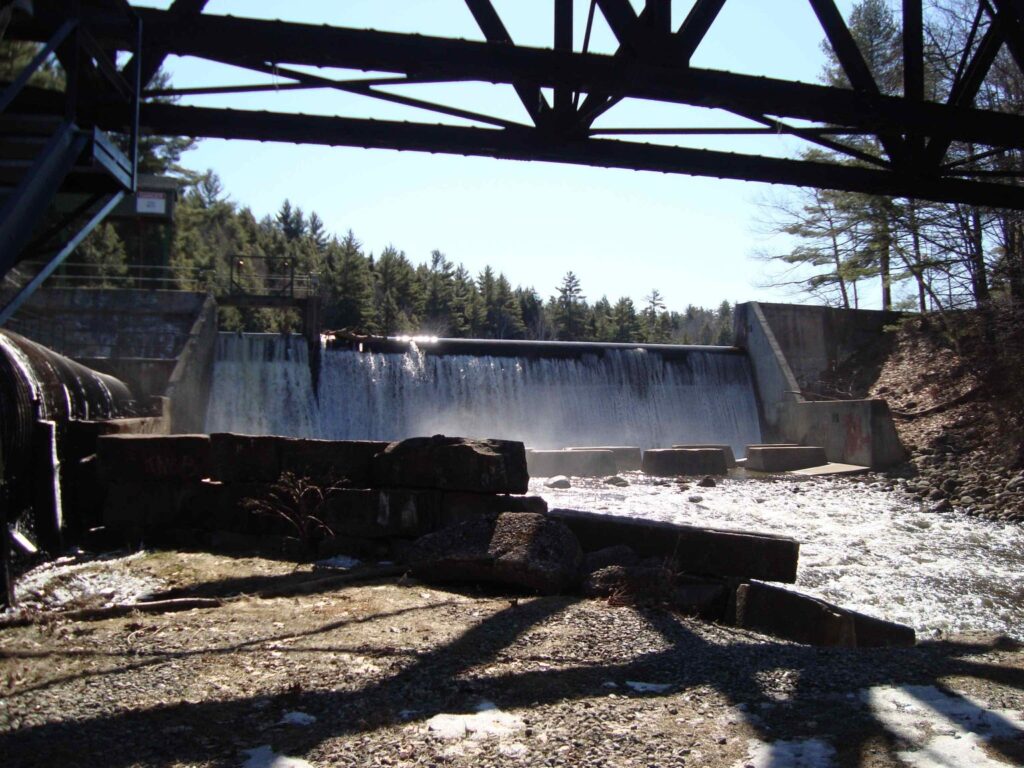
Pour Messalonskee Stream Hydro, l'obtention de la certification LIHI visait initialement à accéder au marché, mais le processus a contribué de manière inattendue à remodeler la façon dont les quatre sites hydroélectriques du projet interagissaient avec leurs rivières, tirant finalement parti de la certification pour transformer la conformité en pratiques environnementales durables.
Messalonskee Stream Hydro, LLC, est une société hydroélectrique privée qui exploite quatre centrales le long du ruisseau Messalonskee : Union Gas (1,5 MW), Rice Rips (1,6 MW), Oakland (2,8 MW) et Automatic (0,8 MW). Ces quatre centrales fonctionnent au fil de l’eau, notamment lorsque l’apport d’eau du barrage de retenue du lac Messalonskee (Snow Pond), situé en amont, est suffisant.
En 2010, la société a entrepris les premières démarches pour obtenir une certification d'hydroélectricité à faible impact, avec pour principaux objectifs de se qualifier pour la norme de portefeuille d'énergies renouvelables du Massachusetts (RPS) et de vendre des crédits d'énergie renouvelable (REC).
Toutefois, au fur et à mesure que le processus avançait, une considération environnementale cruciale est apparue, à laquelle Messalonskee Stream Hydro devrait s'attaquer pour satisfaire aux exigences de certification.
Combler le fossé entre les opérations et l'écologie
Bien que la qualité de l'eau ait été médiocre par le passé en raison des rejets d'anciennes usines, de systèmes septiques et du ruissellement agricole et urbain, les projets étaient conformes aux exigences réglementaires, respectant les débits minimaux, les exigences en matière de qualité de l'eau, de ressources culturelles et de loisirs.
Néanmoins, l'évaluation de LIHI a mis en évidence un besoin important d'améliorer le passage des poissons entre les différents sites.
Dans la région densément peuplée de Waterville, dans le Maine, le ruisseau Messalonskee traverse des quartiers résidentiels, des pâturages agricoles et des zones urbaines, ainsi qu'une gorge étroite, avant de converger avec la rivière Kennebec à Petty's Rips.
Le ruisseau et la rivière abritent une grande variété d'espèces de poissons migratrices et sédentaires, ainsi qu'une faune invertébrée diversifiée, propre aux écosystèmes aquatiques de la région. Le corridor fluvial constitue également une ressource locale importante, offrant des sentiers de randonnée et des accès à la pêche aux résidents et aux étudiants du collège local.
D'autres barrages sur les rivières Kennebec et Sebasticook (un autre affluent) avaient déjà installé des dispositifs de franchissement pour les anguilles, une pratique de plus en plus recommandée par les organismes de gestion des ressources. Ces pressions conjuguées ont mis en évidence la nécessité d'une approche plus proactive et coordonnée pour assurer le franchissement des obstacles par les poissons dans l'ensemble des projets.
Adoption d'une gestion adaptative et amélioration des infrastructures
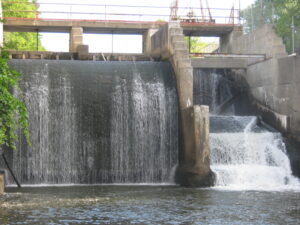
Messalonskee Stream Hydro a collaboré avec les organismes de gestion des ressources naturelles pour faciliter le passage sécuritaire des anguilles d'Amérique. LIHI a joué un rôle de conseiller, travaillant de concert avec Messalonskee et les organismes pour élaborer une solution acceptable pour tous.
Des échelles à anguilles ont été conçues et installées en amont sur les quatre projets. Le suivi a confirmé leur bon fonctionnement, et les agences concernées en ont pris note.
“ Je vous félicite d'avoir conçu et installé un passage sur ce site très difficile… Je suis satisfait du nombre d'anguilles qui ont remonté le courant… et de l'efficacité du passage ”, a déclaré un représentant du Département des ressources marines du Maine au sujet de l'installation d'Oakland.
Le passage en aval était initialement géré par le piégeage et le transport des anguilles par camion, mais cette approche n'a été que partiellement efficace, ce qui a conduit à la mise en place d'arrêts nocturnes en 2020. Bien que les pertes temporaires de production et de revenus aient été inévitables, Messalonskee Stream Hydro a accepté d'interrompre ses activités sur les quatre sites de 18 h à 2 h du matin, du 1er septembre au 30 octobre. L'infrastructure du projet Union Gas a également été modifiée afin de créer une voie de passage en aval du ruisseau Messalonskee vers la rivière Kennebec.
“ Collaborer avec LIHI peut s'avérer une expérience positive et avantageuse pour toutes les parties prenantes. Il est toujours judicieux de discuter avec eux afin d'évaluer votre projet. Bien que l'exploitation puisse être impactée, travailler avec LIHI permet au propriétaire du projet de se concentrer sur l'optimisation de la production tout en préservant la rivière ”, a déclaré un représentant de Messalonskee Stream Hydro.
De ce fait, les interventions ont permis un passage sûr, rapide et efficace pour les anguilles d'Amérique.
Depuis sa première demande, Messalonskee Stream Hydro a vu ses projets certifiés et recertifiés à plusieurs reprises, démontrant ainsi son engagement envers la conformité et la performance environnementale continue.
Leçons tirées du ruisseau Messalonskee
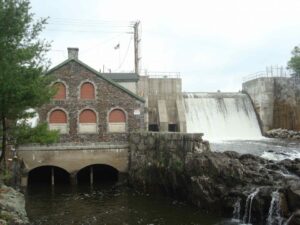
Ce cas illustre comment la certification LIHI peut dépasser le simple cadre d'un mécanisme de marché. Ses critères peuvent en effet contribuer à des résultats écologiques concrets. En favorisant la collaboration et une gestion adaptative, le processus de certification permet aux exploitants hydroélectriques d'aller au-delà de la simple conformité et de s'engager dans une gestion durable des cours d'eau à long terme.
Au début du processus de certification, Messalonskee Stream Hydro souhaitait simplement accéder au marché. En retour, le projet a permis d'améliorer la migration des poissons, de renforcer les relations avec les organismes de gestion des ressources et de développer une approche plus résiliente pour l'exploitation au sein d'un système fluvial complexe.