Solicitud completa recibida – Proyecto Rumford Falls, río Androscoggin, Maine
9 de junio de 2026Decisión final: Certificación del proyecto Chicopee Falls, Massachusetts.
2 de julio de 2026¿Pueden coexistir la energía hidroeléctrica y los ríos saludables?
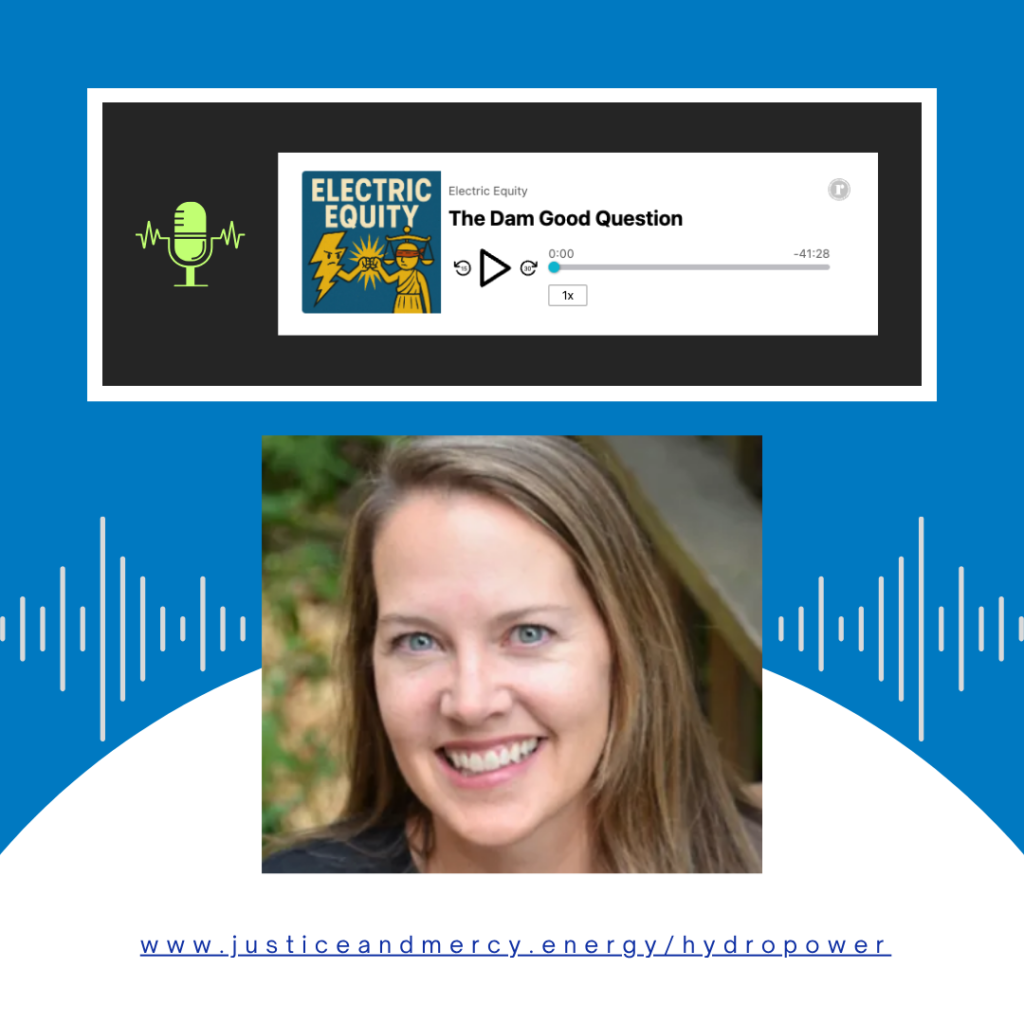
Durante décadas, los debates sobre la energía hidroeléctrica se han planteado a menudo como una elección entre energía renovable y protección del medio ambiente.
Pero ¿y si esa es una elección falsa?
En un episodio reciente de Equidad eléctrica, La directora ejecutiva de LIHI, Shannon Ames, se unió a la presentadora invitada, la Dra. Kayla Garrett, para explorar una perspectiva diferente: una que reconoce tanto el valor de la energía hidroeléctrica como la responsabilidad de minimizar su impacto en los ríos, la vida silvestre y las comunidades.
Aquí es donde entra en juego el concepto de energía hidroeléctrica de bajo impacto. El objetivo no es sugerir que la energía hidroeléctrica no tenga impacto alguno, sino identificar las instalaciones que han tomado medidas concretas para reducir los daños, abordar los riesgos y operar de manera responsable, maximizando al mismo tiempo su desempeño ambiental y social.
Una de las partes más interesantes del debate se centra en las tecnologías de paso para peces.
Si bien no existe una solución única que funcione en todas partes, tecnologías como las escaleras para peces y los canales de derivación que imitan la naturaleza demuestran cómo la ingeniería, la ciencia y la gestión ambiental pueden trabajar juntas para mejorar los resultados para las especies acuáticas.
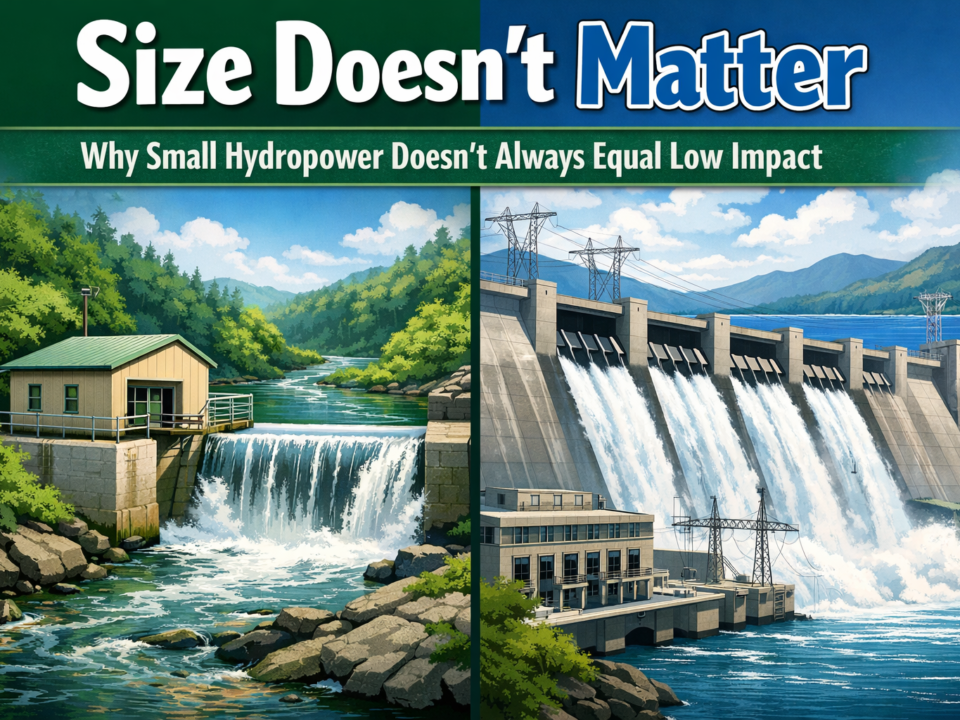
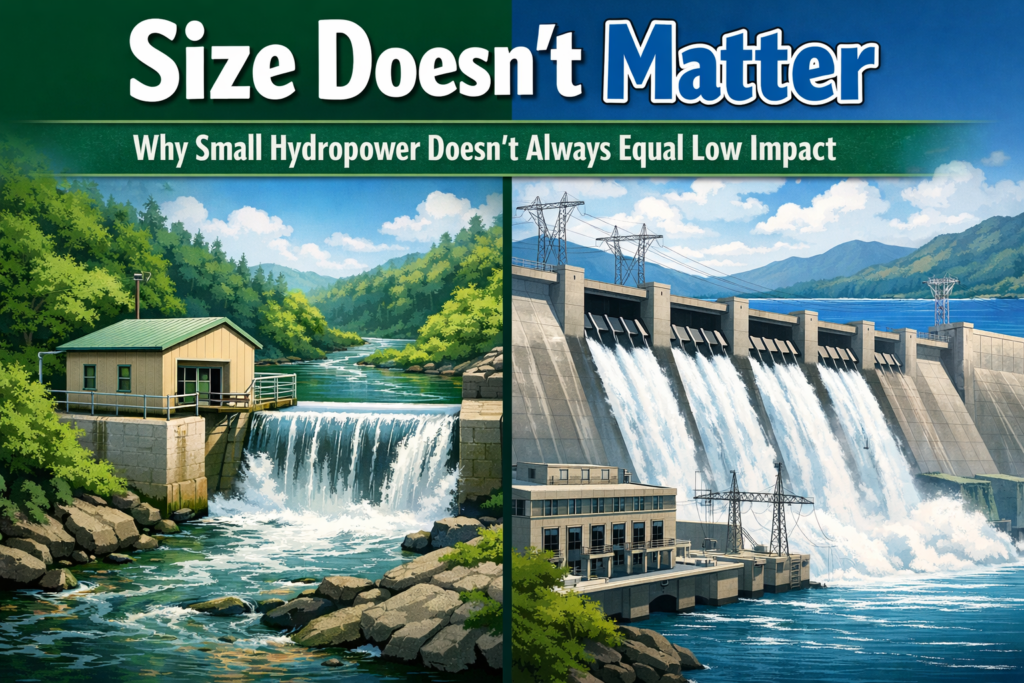
El episodio también explora una distinción importante entre los diferentes tipos de instalaciones hidroeléctricas y cómo la comprensión de estas diferencias operativas ayuda a explicar por qué los proyectos hidroeléctricos pueden tener distintos impactos ambientales, y por qué es importante la evaluación independiente.
Más allá de la tecnología y las operaciones, el debate vuelve repetidamente a un tema más amplio: la participación de la comunidad.
Los proyectos energéticos exitosos no existen de forma aislada. Se desarrollan dentro de comunidades, cuencas hidrográficas y ecosistemas que incluyen diversas perspectivas y prioridades. La participación activa de los residentes locales, las naciones tribales, las organizaciones conservacionistas y las agencias de recursos genera confianza en el proceso, garantizando que se escuchen las inquietudes y se identifiquen oportunidades de mejora desde el principio.
En definitiva, el debate cuestiona la idea de que la protección del medio ambiente y la ampliación del acceso a la energía deban ser objetivos opuestos.
La transición hacia la energía limpia requerirá una cartera diversa de soluciones. La energía hidroeléctrica puede desempeñar un papel importante, pero solo cuando las instalaciones se diseñen, operen y evalúen priorizando a las personas y el medio ambiente.
Como señala Ames a lo largo de la conversación, el progreso suele encontrarse en la intersección de la innovación, la rendición de cuentas y la colaboración.
Para cualquier persona interesada en las energías renovables, la gestión sostenible de los ríos, la política medioambiental o el futuro de las infraestructuras responsables, este episodio ofrece una reflexión profunda sobre cómo pueden confluir esos intereses.
Escucha el episodio completo de Electric Equity aquí: https://justiceandmercy.energy/hydropower.